Artificial Intelligence (AI) has moved from experimental projects to mission-critical business solutions. Companies in finance, healthcare, retail, manufacturing, and logistics are all exploring how AI can streamline processes, improve decision-making, and enhance customer experiences. Yet, for most businesses, developing AI in-house is not practical. They turn to specialized vendors offering Software Development and Data Science services to design, train, and deploy AI solutions.
But here’s the challenge: not all vendors are equal. The success of an AI project depends heavily on the AI development frameworks vendors use. Frameworks are the foundations upon which AI models are built and deployed. If businesses don’t understand at least the basics of these frameworks, they risk hiring vendors who cannot scale, adapt, or deliver efficiently.
We will explore the AI frameworks businesses should know before hiring vendors, why frameworks matter in vendor selection, and how aligning frameworks with business goals ensures smoother AI project delivery.
Why AI Frameworks Matter in Vendor Selection
When evaluating vendors, businesses often focus on cost, timelines, and past projects. While those factors matter, one question is often overlooked: Which AI framework does the vendor use, and why?
AI frameworks are not just technical choices—they influence speed, scalability, and even the long-term sustainability of your AI solution.
For example:
- A vendor using TensorFlow might deliver scalable, enterprise-ready solutions.
- Another vendor working with PyTorch may be better at rapid prototyping and research-driven projects.
- A mismatch between your business goals and a vendor’s chosen framework could lead to delays, higher costs, or even the inability to scale your AI solution.
- By understanding frameworks, businesses can have smarter conversations during vendor selection.
Instead of blindly trusting technical jargon, you can ask: Why did you choose this framework? How will it support our business use case?
Core AI Development Frameworks Businesses Should Know
TensorFlow
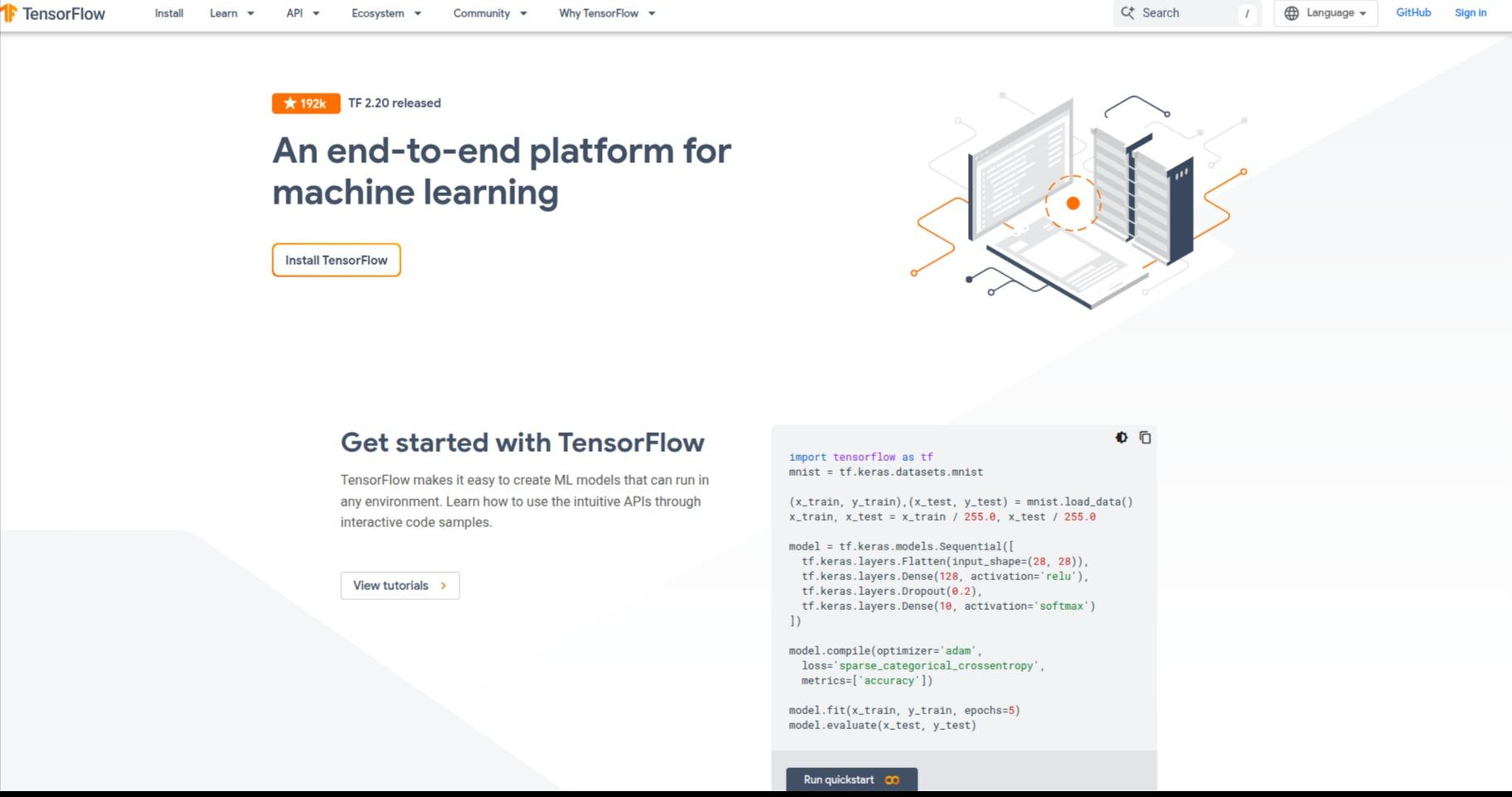
Developed by Google, TensorFlow is one of the most widely used frameworks in AI. Vendors choose it for its scalability, large community support, and ability to handle deep learning projects across cloud and mobile platforms.
Business impact: If your project involves enterprise-scale AI or needs long-term support, a vendor using TensorFlow is often a safe bet. It ensures robust deployment pipelines and seamless integration with Cloud Services like Google Cloud, which is critical for scaling enterprise AI applications.
PyTorch
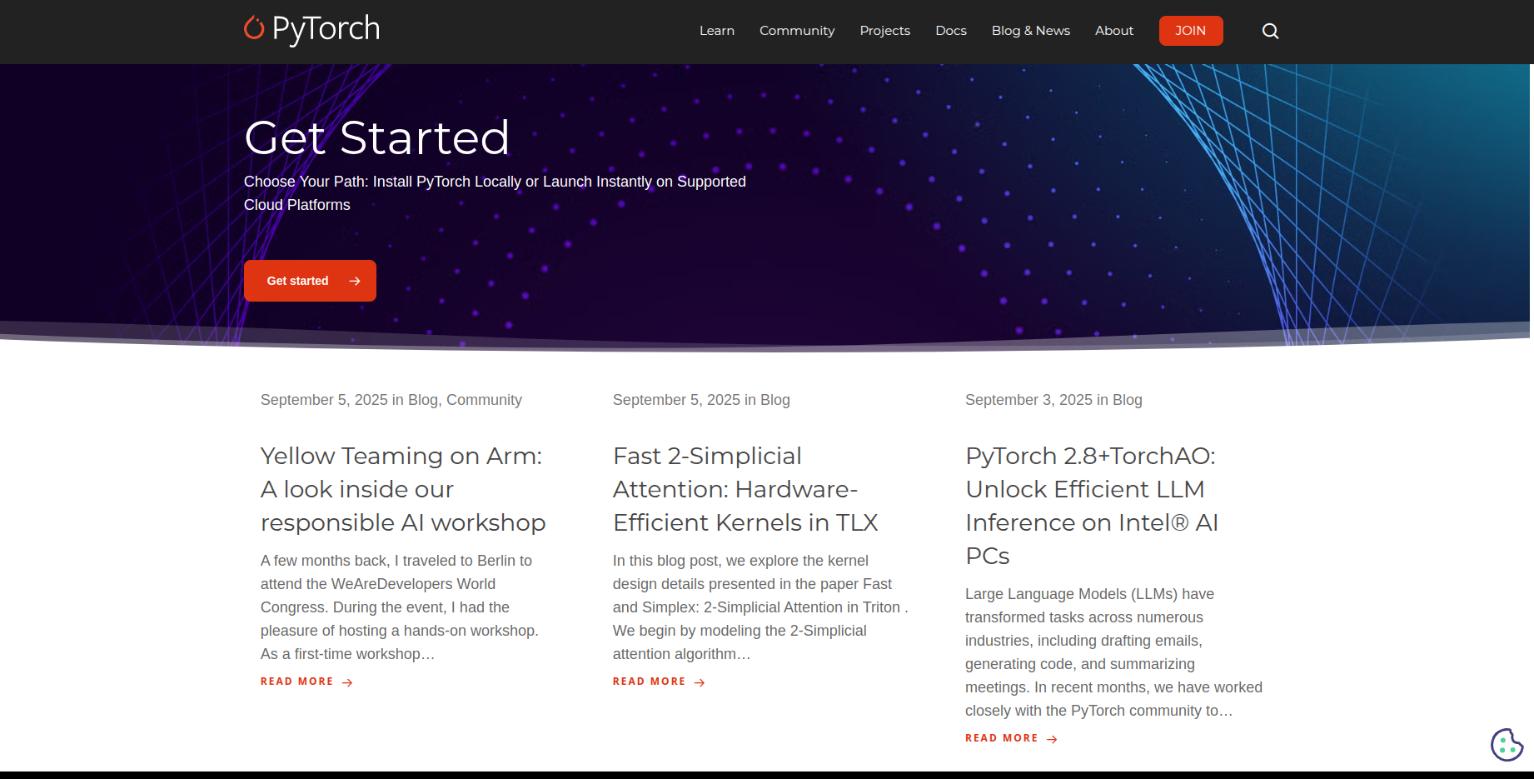
Backed by Meta (Facebook), PyTorch has surged in popularity due to its flexibility and ease of experimentation. Vendors use it when they need to move quickly from research to production.
Business impact: If you’re in a fast-moving industry like fintech or health tech, hiring vendors who rely on PyTorch can help you accelerate AI project delivery while ensuring adaptability.
Keras
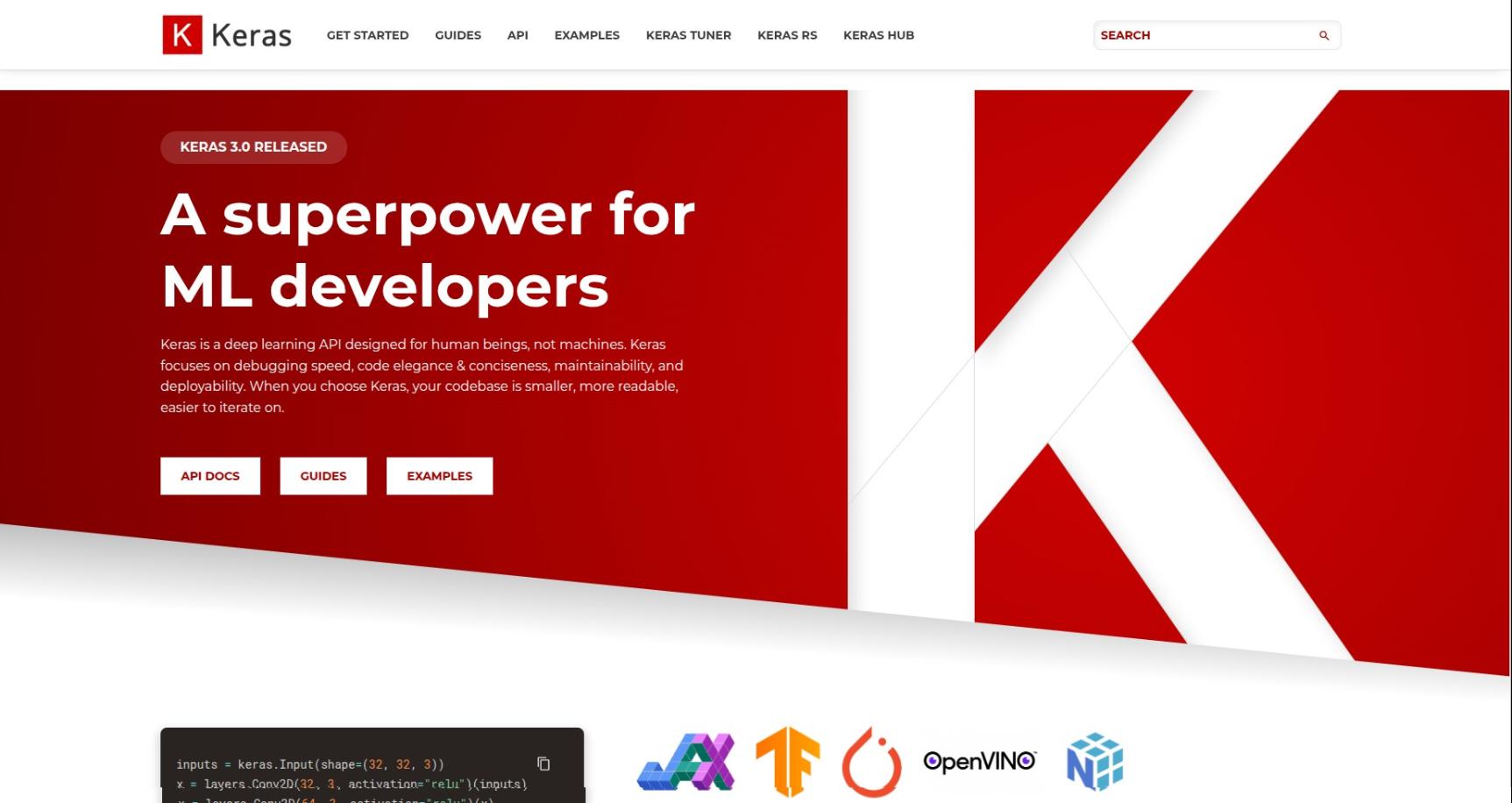
Keras is a high-level framework that runs on top of TensorFlow. Vendors choose it for rapid prototyping and small-to-medium AI projects.
Business impact: Businesses with limited budgets or experimental AI use cases (like chatbots or basic recommendation engines) can benefit from vendors who use Keras to deliver results quickly.
Scikit-learn
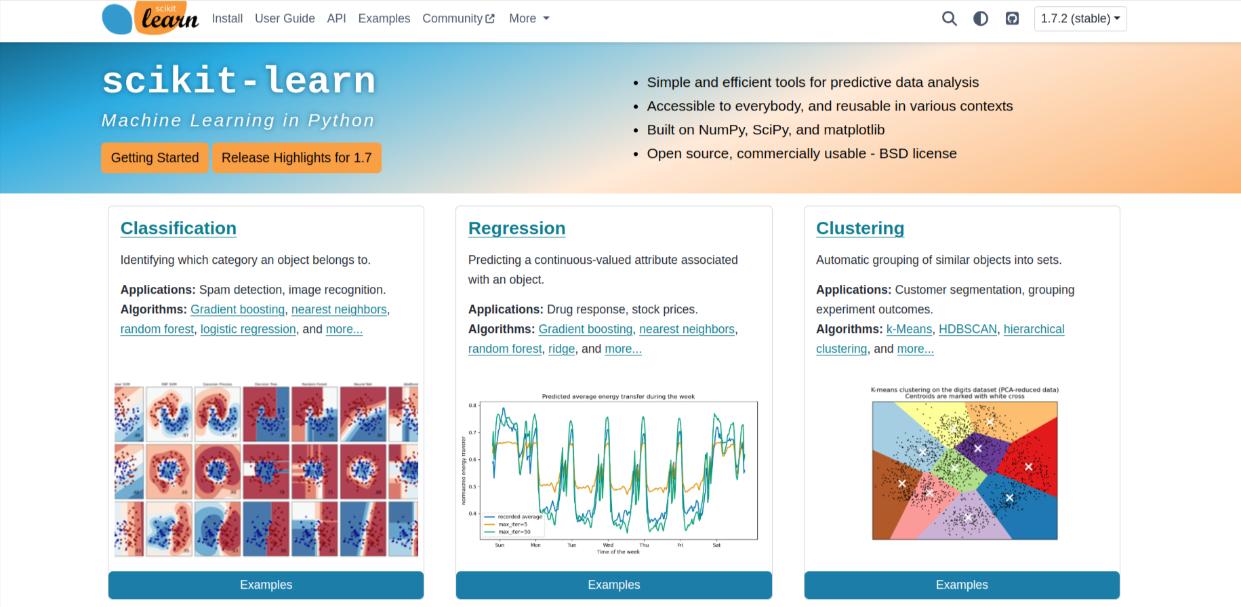
While not designed for deep learning, Scikit-learn remains the go-to for classical machine learning tasks such as predictive analytics, regression, and clustering. Vendors use it for projects that don’t require massive neural networks but still provide strong business insights.
Business impact: If your business needs forecasting, trend analysis, or fraud detection, a vendor skilled in Scikit-learn may be the most cost-effective choice.
Hugging Face Transformers
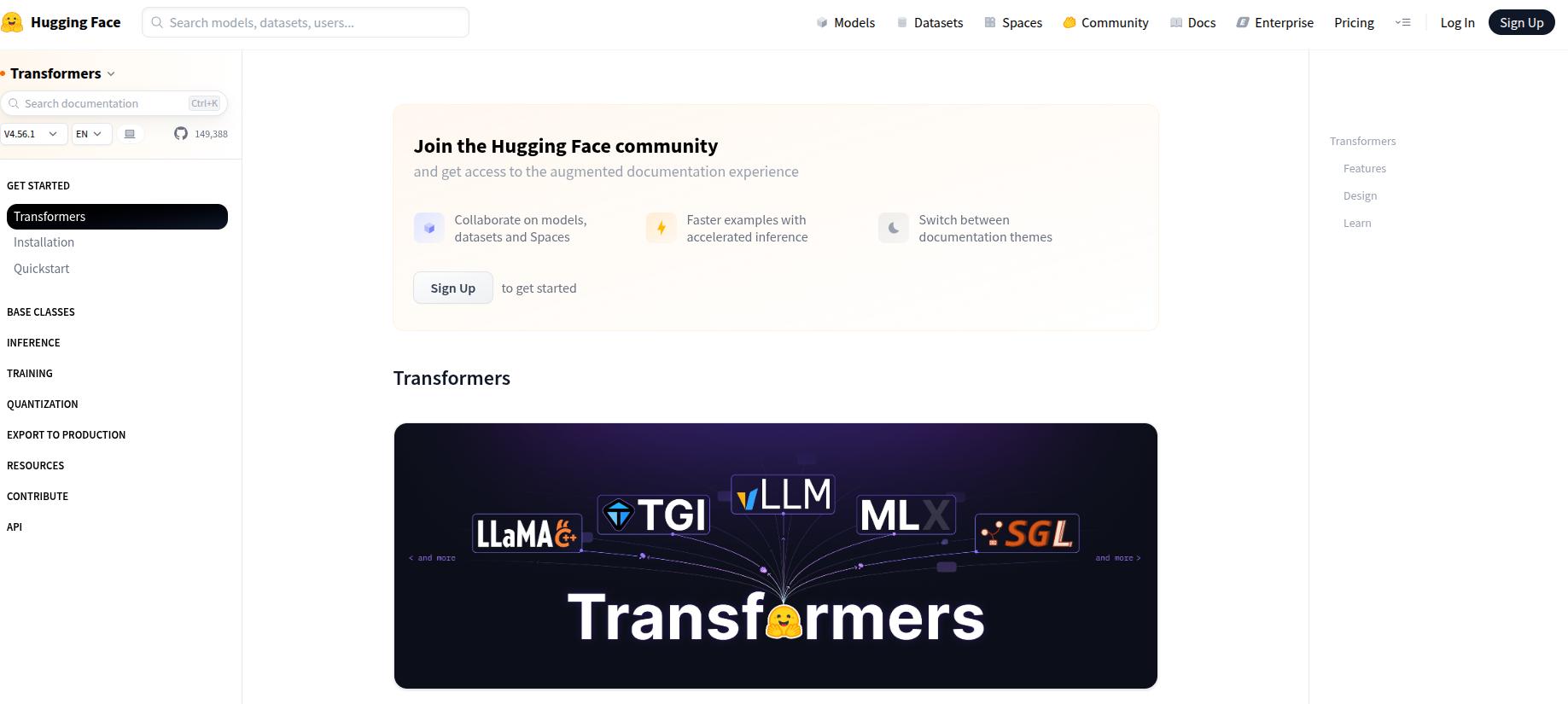
This framework has become the standard for NLP. Vendors use it for chatbots, virtual assistants, sentiment analysis, and other text-based applications. And in current time, the Hugging Face is widely used within the e-commerce development domain.
Business impact: If customer engagement or language-driven tasks are at the core of your AI strategy, vendors with Hugging Face expertise are invaluable.
Microsoft Cognitive Toolkit (CNTK)
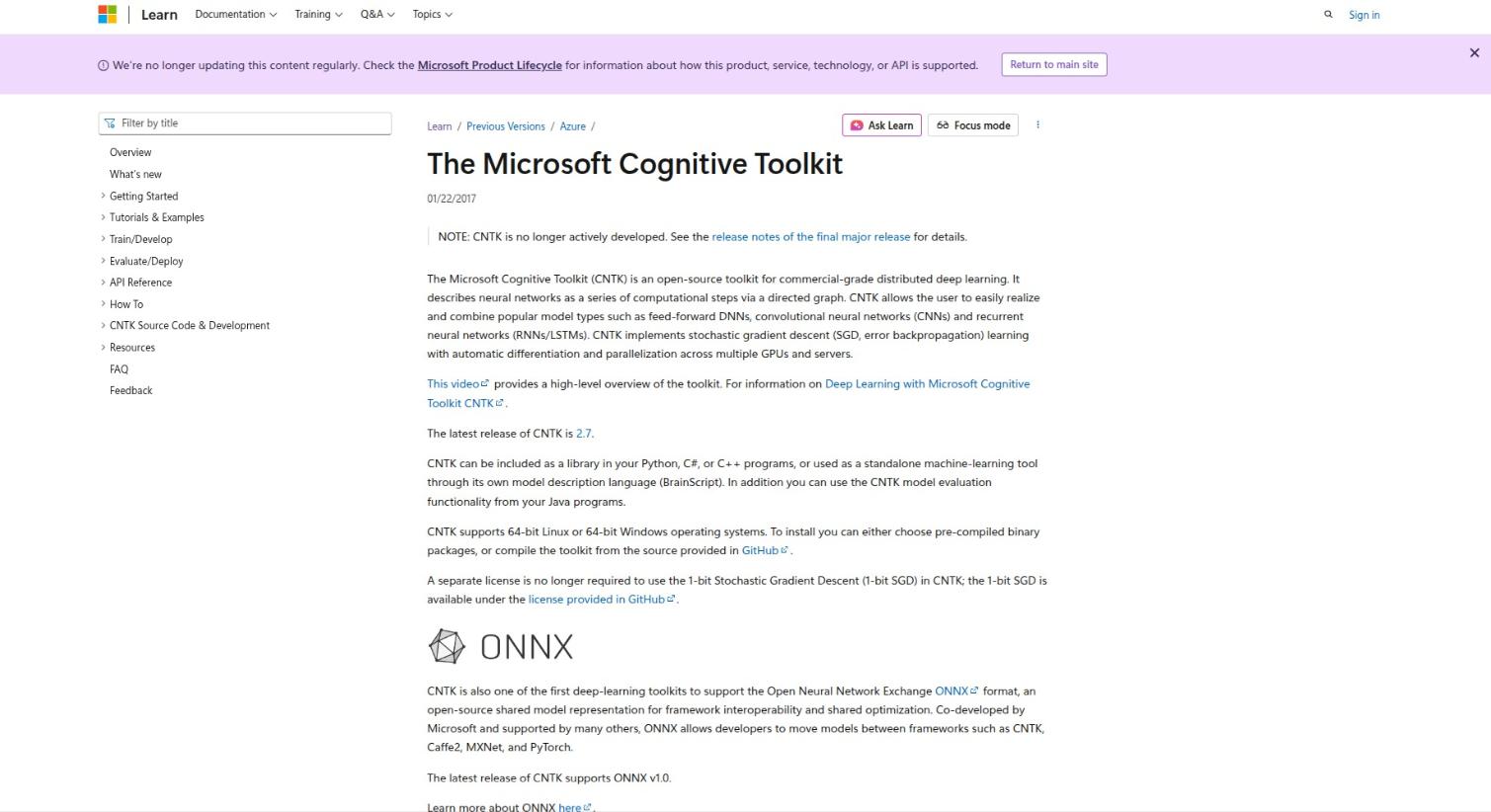
CNTK is optimized for speech recognition, image recognition, and enterprise-scale deployments. Vendors who adopt CNTK often work with large corporations requiring integration with Microsoft Azure.
Business impact: For businesses already within the Microsoft ecosystem, choosing vendors familiar with CNTK ensures smoother integration and faster deployment.
Matching Frameworks to Business Use Cases
Not all frameworks are created equal, and not all are right for every business problem.
Here’s how they align with specific use cases:
- SaaS and scalable products: TensorFlow and PyTorch for flexibility and scalability.
- E-commerce platforms: Hugging Face for chatbots and Scikit-learn for recommendation systems.
- Financial services: Scikit-learn for fraud detection, forecasting, and risk modeling.
- Healthcare: TensorFlow and CNTK for medical imaging and speech-driven tools.
- Startups and SMBs: Keras for rapid experimentation and faster proof of concepts.
By mapping frameworks to business outcomes, you can better judge whether a vendor is equipped to deliver value.
Questions to Ask Vendors About Their AI Frameworks
When hiring AI vendors, businesses should move beyond “Can you deliver this?” and ask questions that reveal the vendor’s strategic use of frameworks.
For example:
- Why did you choose this framework for our project?
- How does this framework impact scalability and cost?
- Do you have proven expertise in multiple AI frameworks?
- Can this framework integrate with our existing systems or cloud environment?
- How do you keep up with evolving frameworks and updates?
These questions shift the conversation from generic promises to specific capabilities, helping businesses filter out vendors who are less adaptable or experienced.
Challenges Vendors Face With AI Frameworks
Even the best vendors encounter hurdles when working with AI frameworks:
- Rapid evolution: Frameworks update frequently, making it hard to stay current.
- Compatibility issues: Not all frameworks integrate smoothly with every cloud service.
- Research vs production: Frameworks great for experimentation (like PyTorch) may need additional tools to become enterprise-ready.
- Talent shortage: Skilled professionals in advanced frameworks are still in short supply.
Understanding these challenges helps businesses appreciate why some vendors may take longer or cost more—and why adaptability is a critical selection factor.
The Future of AI Development Frameworks
The AI framework landscape continues to evolve rapidly.
Some trends shaping the future include:
- Low-code/no-code AI platforms that make frameworks accessible to non-experts.
- AI-powered DevOps (MLOps) for continuous training, testing, and deployment of models.
- Edge AI frameworks enabling faster, localized processing for IoT devices.
- Industry-specific frameworks designed for healthcare, finance, and retail.
Businesses should expect vendors to stay agile, embracing emerging frameworks while maintaining expertise in proven ones. When evaluating vendors, prioritize those who demonstrate both technical skill and a commitment to staying current.
Conclusion
AI frameworks are not just technical details—they directly influence project speed, scalability, and business outcomes. Businesses don’t need to master every detail of TensorFlow, PyTorch, or Hugging Face. But by knowing their role, you can hold smarter conversations with vendors, align frameworks with business goals, and ensure smoother AI project delivery.
The next time you’re looking to hire AI vendors, make framework expertise part of your evaluation checklist. On platforms like Benchmak, you can find vendors with proven AI framework experience—helping you turn AI ambitions into successful, scalable solutions.