
Planning a new mobile app is not just a product decision — it’s a long-term technology commitment. The framework chosen at the start influences development velocity, hiring flexibility, performance, security posture, and future scalability. For CTOs, selecting the right framework means balancing business goals with technical realities.
Mobile apps are now expected to ship faster, scale globally, integrate with complex backends, and remain maintainable across frequent OS updates. This makes framework selection a critical early-stage decision rather than an implementation detail.
Below are the primary mobile app frameworks and approaches CTOs commonly evaluate when planning a new mobile application.
Native iOS (Swift / Objective-C)
Native iOS development remains the top choice when performance, platform-specific features, and user experience are non-negotiable. Swift offers tight integration with Apple’s ecosystem, access to the latest APIs, and optimal performance for complex animations and system-level interactions.
CTOs often choose native iOS for consumer apps with high UX expectations, financial applications, and products heavily dependent on Apple hardware features. The trade-off is higher development cost and the need for a dedicated iOS engineering team.
| Criteria | Assessment |
|---|---|
| App Type | Native iOS |
| Performance | Very High |
| Code Reuse | Low |
| Time to Market | Medium |
| Talent Availability | Medium |
| Best Fit | High-performance iOS apps, fintech, Apple ecosystem products |
Native Android (Kotlin / Java)
For Android-first or Android-heavy markets, native development using Kotlin or Java provides maximum control and performance. Kotlin has become the preferred language due to improved safety, concise syntax, and strong tooling support.
Native Android frameworks are typically selected for apps that require deep system integration, offline-first behavior, or complex background processing. CTOs consider Android native when long-term scalability and granular control outweigh faster cross-platform delivery.
| Criteria | Assessment |
|---|---|
| App Type | Native Android |
| Performance | Very High |
| Code Reuse | Low |
| Time to Market | Medium |
| Talent Availability | High |
| Best Fit | Android-first markets, system-level integrations, offline apps |
React Native
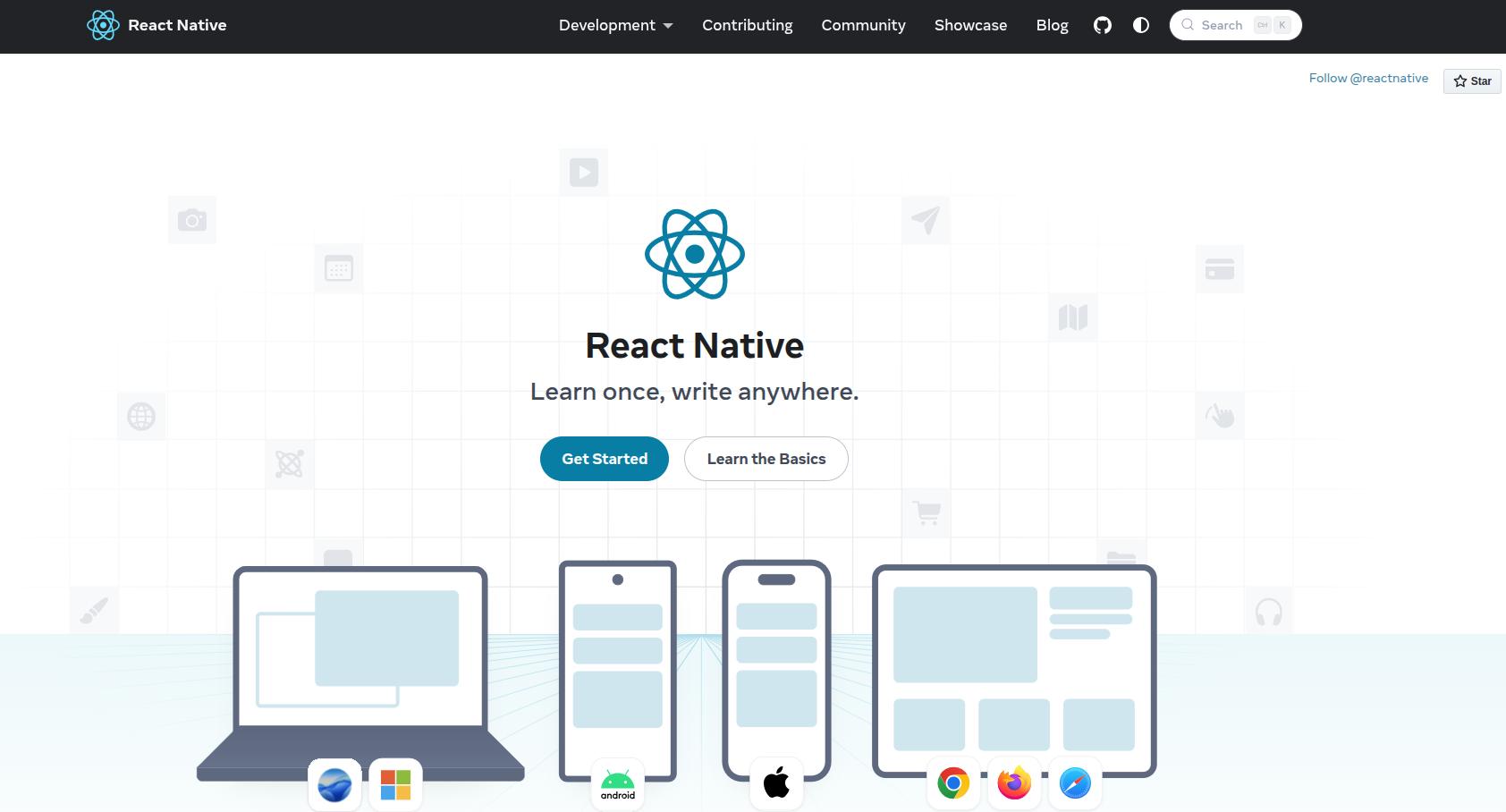
React Native is widely considered by CTOs aiming to balance speed and performance. It enables shared codebases across iOS and Android while still rendering native components, making it suitable for many production-grade applications.
Organizations with strong JavaScript or React web teams often favor React Native due to talent availability and faster onboarding. CTOs evaluate it carefully for apps requiring frequent UI updates, rapid iteration, and moderate-to-high performance demands.
| Criteria | Assessment |
|---|---|
| App Type | Cross-platform |
| Performance | High |
| Code Reuse | High |
| Time to Market | Fast |
| Talent Availability | Very High |
| Best Fit | Consumer apps, startups, shared web–mobile teams |
Flutter
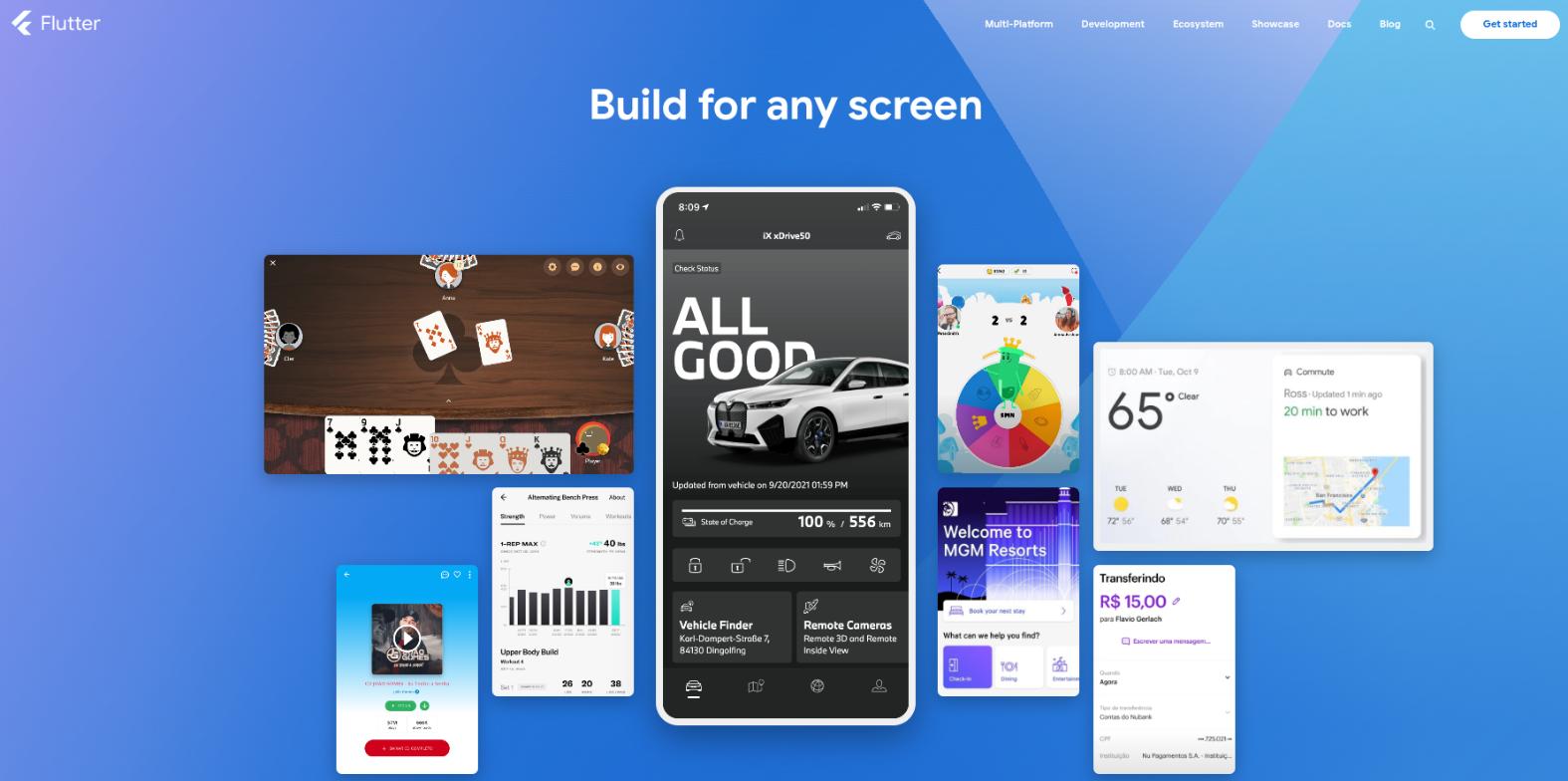
Flutter has gained significant traction for its consistent UI rendering, strong performance, and single codebase architecture. It uses Dart and renders its own UI engine, which reduces dependency on platform-specific UI components.
CTOs often consider Flutter for greenfield products where visual consistency across platforms matters. While performance is strong, framework maturity, ecosystem depth, and long-term maintainability are key evaluation factors during planning.
| Criteria | Assessment |
|---|---|
| App Type | Cross-platform |
| Performance | High |
| Code Reuse | Very High |
| Time to Market | Fast |
| Talent Availability | Medium |
| Best Fit | UI-heavy apps, design consistency, greenfield products |
.NET MAUI / Xamarin
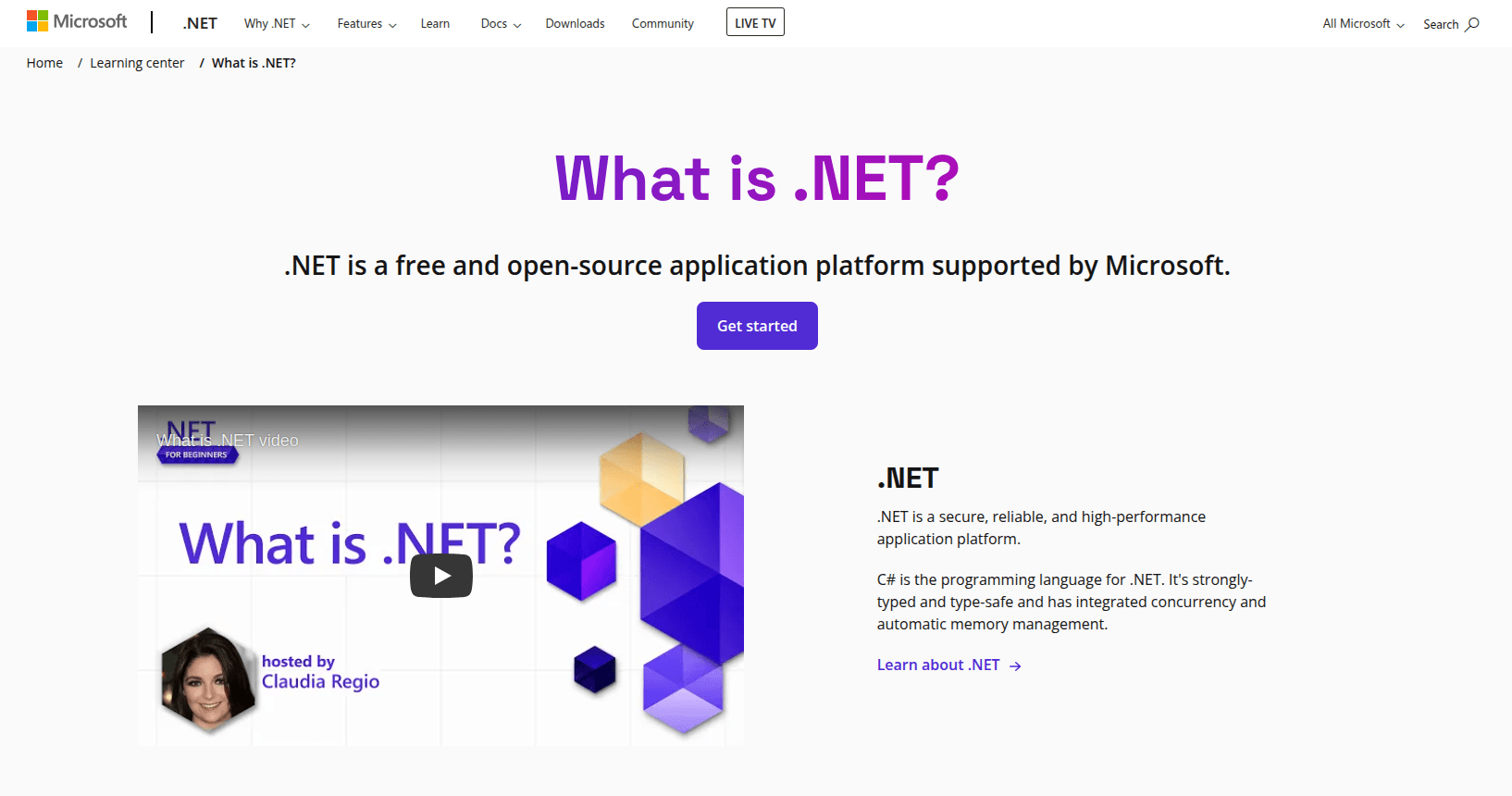
For organizations deeply invested in the Microsoft ecosystem, Xamarin and its evolution into .NET MAUI are common considerations. These frameworks allow shared C# code across platforms while maintaining access to native APIs.
CTOs typically evaluate Xamarin when enterprise integration, internal tooling, or existing .NET teams are involved. The decision often depends on ecosystem maturity, community support, and long-term platform roadmap.
| Criteria | Assessment |
|---|---|
| App Type | Cross-platform |
| Performance | Medium–High |
| Code Reuse | High |
| Time to Market | Medium |
| Talent Availability | Medium |
| Best Fit | Enterprise apps, Microsoft ecosystem, internal tools |
Ionic (Hybrid Applications)
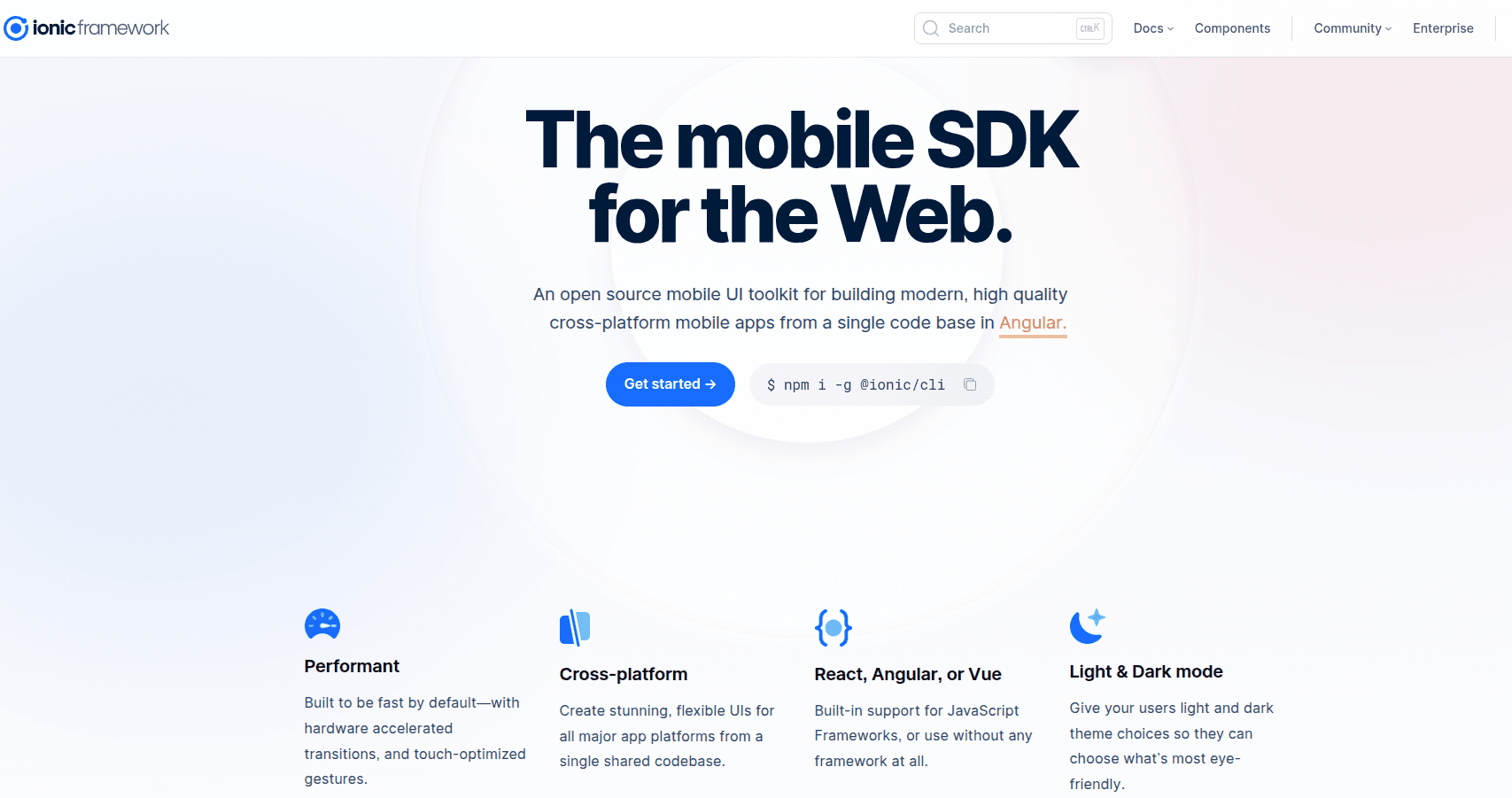
Ionic enables mobile apps using web technologies such as HTML, CSS, and JavaScript, wrapped inside native containers. It is often considered for internal tools, MVPs, or applications where speed-to-market is more important than performance.
CTOs evaluate Ionic when reuse of existing web assets is a priority. However, hybrid performance limitations and reliance on WebView rendering are carefully weighed for user-facing consumer apps.
| Criteria | Assessment |
|---|---|
| App Type | Hybrid |
| Performance | Medium |
| Code Reuse | Very High |
| Time to Market | Very Fast |
| Talent Availability | High |
| Best Fit | MVPs, internal tools, content-driven apps |
Progressive Web Apps (PWA)
Progressive Web Apps blur the line between web and mobile applications. They are installable, work offline, and can be updated instantly without app store approvals.
CTOs consider PWAs when broad device reach, low maintenance, and fast iteration cycles are required. While PWAs are improving rapidly, platform limitations — especially on iOS — remain part of the decision-making process.
| Criteria | Assessment |
|---|---|
| App Type | Web-based |
| Performance | Medium |
| Code Reuse | Very High |
| Time to Market | Very Fast |
| Talent Availability | Very High |
| Best Fit | Lightweight apps, fast updates, broad device reach |
Unity (for Game and Interactive Apps)

Unity is commonly chosen for game development and highly interactive mobile experiences. It provides cross-platform capabilities, a mature engine, and extensive tooling for graphics and physics.
CTOs planning gaming apps or immersive experiences often evaluate Unity for its production maturity and ecosystem. The trade-offs include higher build sizes and non-traditional mobile development workflows.
| Criteria | Assessment |
|---|---|
| App Type | Cross-platform Engine |
| Performance | High (graphics-intensive) |
| Code Reuse | High |
| Time to Market | Medium |
| Talent Availability | Medium |
| Best Fit | Games, AR/VR, 3D and immersive experiences |
Kotlin Multiplatform
Kotlin Multiplatform allows sharing business logic across platforms while keeping native UI layers separate. This approach provides flexibility without fully committing to a single UI framework.
CTOs consider this model when they want code reuse without sacrificing native UX. It requires disciplined architecture and experienced teams, making it better suited for mature engineering organizations.
| Criteria | Assessment |
|---|---|
| App Type | Shared Business Logic |
| Performance | High |
| Code Reuse | Medium |
| Time to Market | Medium |
| Talent Availability | Medium |
| Best Fit | Native UX with shared logic, scalable long-term apps |
Custom or Mixed Framework Approaches
In some cases, CTOs deliberately choose mixed approaches — combining native modules with cross-platform frameworks. This hybrid strategy allows performance-critical features to remain native while less complex features share code.
Such decisions are usually driven by long-term roadmap considerations, team structure, and evolving product requirements rather than short-term speed.
Key Factors CTOs Evaluate Before Finalizing a Framework
Framework selection is rarely about popularity alone. CTOs typically evaluate:
- Performance requirements and UX expectations
- Team expertise and hiring flexibility
- Long-term maintainability and ecosystem maturity
- Integration with backend systems and APIs
- Security, testing, and release management needs
The right framework is the one that aligns with both product vision and organizational capability.
Conclusion
There is no universally “best” mobile app framework — only the one best suited to your product, team, and growth strategy. CTOs who approach framework selection strategically reduce future rework, technical debt, and scaling challenges. By understanding the strengths and limitations of each framework before development begins, technology leaders can build mobile applications that are not only functional today but resilient and adaptable in the years ahead.
Ultimately, the “best” mobile app framework is not the one with the most features, but the one that aligns cleanly with your product vision, delivery timeline, and long-term scalability goals. CTOs who approach framework selection as a strategic decision — factoring in team capability, future maintenance, and ecosystem maturity — reduce rework, control costs, and move faster with confidence. In a market where speed and experience define success, choosing the right foundation early becomes a competitive advantage rather than a technical afterthought.