MEMR
For MEMR

OneTree
Love to create beautiful interactive solutions
- Industry
Healthcare & Medical  Time & Budget
Undisclosed
About MEMR
The client
A team led by Stanford Medicine University aimed to mitigate the constant decrease of response rates in surveys used for medical research. As a possible solution, they evaluated the use of mobile applications to facilitate and motivate subjects to answer.
The challenges
Our responsibility was the design and development of mobile applications for data collection including the definition for paradata and data visualizations for researchers. Everything had to be easy to use and safe by HIPAA compliance standards. As well, they aimed to evaluate the amount of repeated responses motivated through push notifications mechanism.
The solution
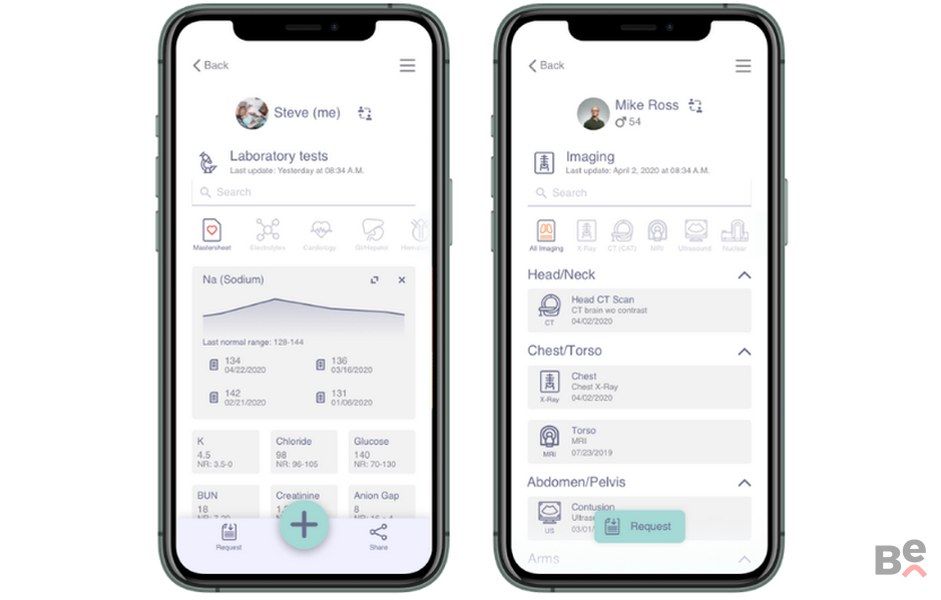
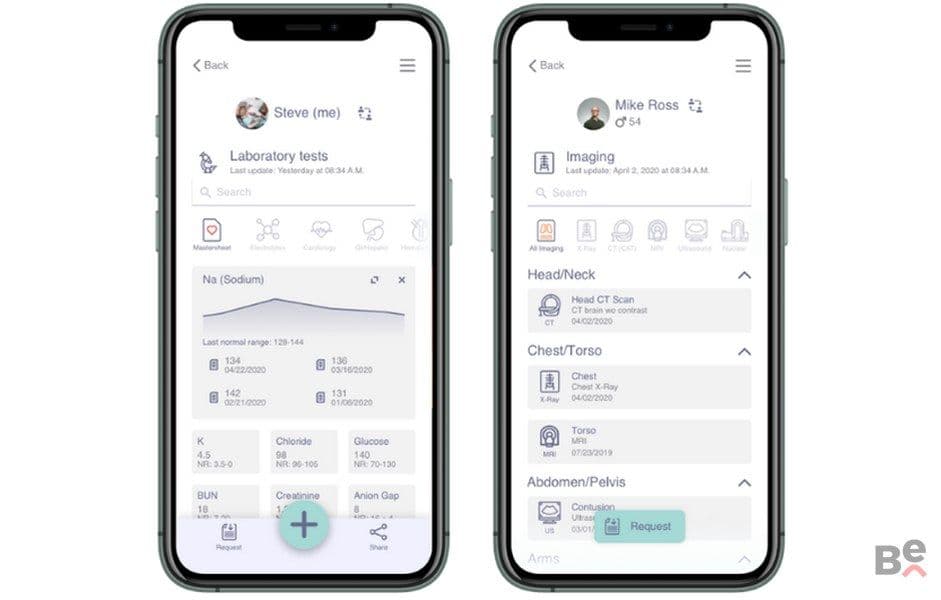
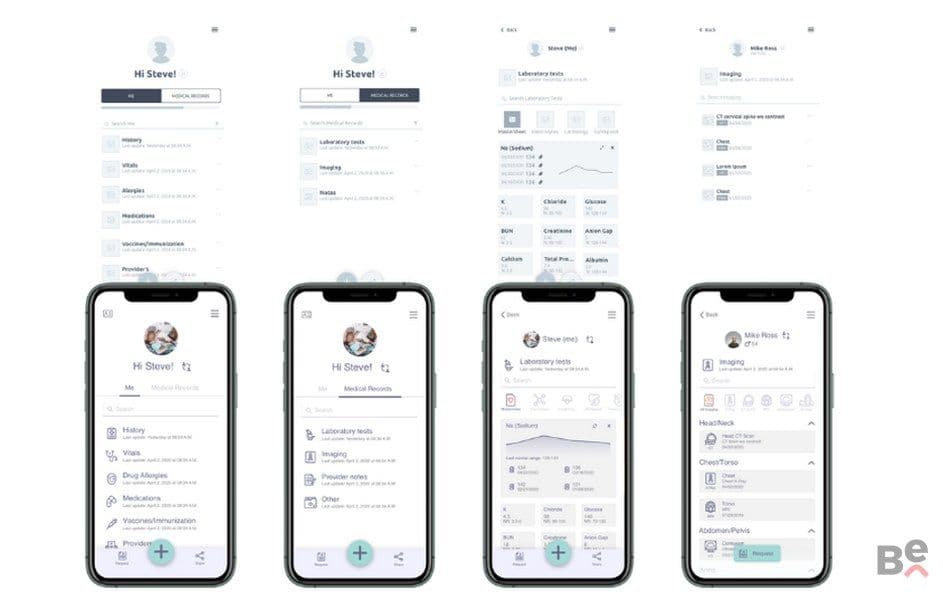
We built two mobile applications, for Android and iOS, and two monitoring dashboards to assess the amount of responses and subscriptions, as well as to evaluate the investment in advertising and the amount of app downloads.
The data for the dashboards was obtained from sources including Facebook API, Google Analytics API, Medable APIs (Backend), Google Maps API, among others. As well, we developed and ran machine learning algorithms to improve the data analysis such as identifying geolocation patterns, new clusters, etc.
The apps had gamification features to keep subjects motivated to complete the surveys.
The result
The project had really positive outcomes. The developed apps helped improve response rates on surveys, and one of the monitoring dashboards allowed to compare the costs involved in answering through social media compared to traditional methods.
In the numbers
The cost of downloading was reduced 4 times when using social networks versus using the traditional ABS method.
Participants recruitment’s rate through social media was 3 times the traditional ABS method.
The survey response rate was twofold in comparison with methods previously measured.